
How Long Do HVAC Systems Last Lifespan Tips and Replacement Signs
A heating and cooling system rarely quits at a convenient time. One day it is keeping the house comfortable, and the next it is running nonstop, blowing weak air, or making a sound that was not there last week.
The good news is that most HVAC systems give clues long before they fail. Age matters, but it is only one part of the story. Maintenance, climate, installation quality, usage, and the type of equipment all affect how long a system lasts.
This guide explains the typical HVAC lifespan for common systems, what shortens or extends that life, and when repair no longer makes sense.
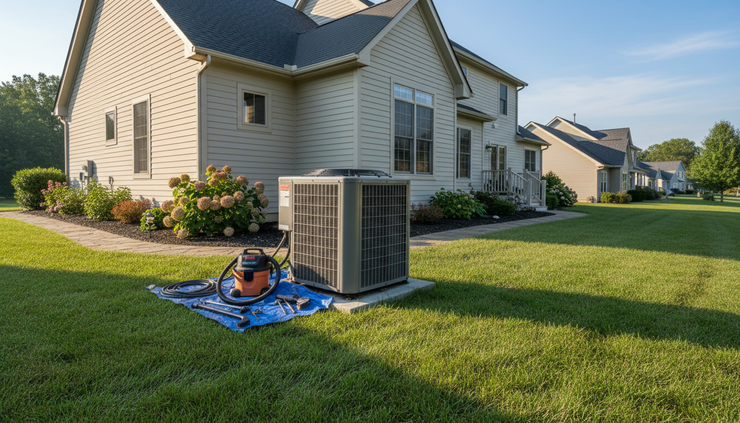
Most HVAC systems last between 10 and 25 years
HVAC equipment does not have one universal expiration date. A central air conditioner, gas furnace, and heat pump all work differently, so they age differently too.
A well-maintained system in a moderate climate may last years longer than the same model in a hot, humid, dusty, or coastal area. Systems that run nearly every day face more wear than systems used only during peak seasons.
Here are common average ranges for residential HVAC equipment in the United States.
HVAC system type | Average lifespan | What affects the range most |
Central air conditioner | 12 to 17 years | Summer runtime, coil care, refrigerant issues, outdoor exposure |
Gas furnace | 15 to 20 years | Heat exchanger condition, burner maintenance, filter changes |
Electric furnace | 20 to 30 years | Electrical component wear, airflow, usage level |
Heat pump | 10 to 15 years | Year-round operation, defrost cycles, outdoor conditions |
Ductless mini-split | 10 to 20 years | Cleaning habits, installation quality, climate load |
Boiler | 15 to 30 years | Water quality, corrosion control, annual service |
Thermostat | 10 years or more | Wiring, compatibility, physical wear, technology needs |
These are general estimates, not guarantees. Some systems fail early because of poor installation or neglected maintenance. Others keep running well past the average because they were sized correctly, serviced often, and used with care.
A system can also be old and still worth keeping if it is safe, efficient enough, and repair needs are minor. Age becomes more concerning when it appears along with rising bills, uneven comfort, repeated repairs, and noisy operation.
System type plays a big role in longevity
The type of HVAC equipment in a home affects how long it can reasonably be expected to last. The biggest difference is how often the system runs.
Central air conditioners work hard during cooling season
Central AC systems cool the home by moving heat from inside to outside. The outdoor condenser faces rain, heat, leaves, dirt, and temperature swings. The indoor evaporator coil also needs clean airflow to work well.
A typical central air conditioner lasts about 12 to 17 years. In hotter regions, where the system runs for long stretches, the lower end of that range is more common. In milder areas, it may last longer.
The compressor is one of the most expensive parts. If a compressor fails on an older unit, replacement often makes more sense than repair.
Furnaces often last longer than cooling equipment
Furnaces usually last longer than air conditioners because many only run part of the year. Gas furnaces often last 15 to 20 years. Electric furnaces can last longer because they have fewer combustion-related parts.
Still, a furnace should never be kept in service just because it still turns on. A cracked heat exchanger, unsafe combustion, frequent ignition trouble, or repeated shutdowns can make replacement the safer choice.
Heat pumps run in both heating and cooling seasons
Heat pumps can heat and cool a home, which makes them efficient and useful in many climates. Since they work through much of the year, they often have a shorter average life than separate furnace and AC setups.
Most heat pumps last about 10 to 15 years. In mild climates, they may last longer. In areas with extreme heat or cold, heavy use can shorten their service life.
Ductless mini-splits depend heavily on cleaning
Ductless mini-splits can be very efficient, but they need regular filter and coil cleaning. Dust buildup can hurt airflow, reduce comfort, and strain the system.
The indoor heads also need attention because they sit directly in living spaces and collect dust over time. With good care, many ductless systems last 10 to 20 years.

Maintenance is the biggest factor homeowners can control
HVAC systems wear out more quickly when they have to fight dirt, poor airflow, low refrigerant, loose electrical parts, or clogged drain lines. Regular maintenance helps catch small problems before they damage expensive components.
A good maintenance routine includes both homeowner tasks and professional service.
Homeowner maintenance should include:
Replacing or cleaning air filters on schedule
Keeping supply and return vents open and clear
Clearing leaves, grass clippings, and debris around the outdoor unit
Checking that the thermostat responds correctly
Paying attention to unusual sounds, smells, and comfort changes
Professional maintenance often includes:
Inspecting electrical connections
Cleaning coils when needed
Checking refrigerant charge on cooling systems
Testing safety controls
Inspecting burners, ignition parts, and heat exchangers on furnaces
Clearing condensate drain lines
Measuring airflow and temperature performance
Most systems benefit from service once a year. Heat pumps often need service twice a year because they handle both heating and cooling.
Skipping maintenance may not cause a breakdown right away. That is what makes it easy to ignore. The damage often builds slowly. A dirty coil can make a system run longer. Low airflow can overheat a furnace or freeze an evaporator coil. A clogged drain can cause water damage or system shutdowns.
Routine service does not make a system last forever, but it gives the equipment its best chance to reach the higher end of its expected life.
Usage and home conditions can shorten or extend system life
Two identical HVAC systems can age at different speeds in different homes. The system’s workload matters.
A unit in Phoenix, Houston, or Miami may run far more cooling hours than one in a northern coastal climate. A heat pump in a mild region may operate efficiently for years, while the same type of equipment in harsher conditions may face more stress.
Several home conditions also affect wear.
Poor insulation makes the system run longer
If a home leaks air or lacks insulation, the HVAC system has to work harder to maintain the set temperature. Longer runtimes mean more motor wear, more compressor cycles, and higher energy use.
Sealing air leaks, improving attic insulation, and using window coverings during peak heat can reduce strain.
Incorrect sizing causes comfort and reliability problems
An oversized system may turn on and off too often. This short cycling can wear out parts and leave humidity problems in cooling season.
An undersized system may run constantly and still struggle to keep up. That steady strain can shorten equipment life.
Proper sizing requires more than matching the old unit. A contractor should account for home size, insulation, windows, climate, ductwork, and other load factors.
Ductwork can make a good system perform badly
Leaky or poorly designed ducts waste conditioned air and reduce comfort. The HVAC unit may be blamed when the real issue is airflow.
Signs of duct problems include:
Rooms that never reach the right temperature
Weak airflow from certain vents
High dust levels
Whistling sounds near vents or returns
High energy bills without a clear reason
Fixing duct issues can improve comfort and reduce system strain, especially when the equipment itself is still in decent condition.

Simple habits can help an HVAC system last longer
Extending HVAC life is often about reducing unnecessary stress. Small habits can make a real difference over many heating and cooling seasons.
Change filters before they clog
A dirty filter restricts airflow. That can cause overheating in a furnace, frozen coils in an air conditioner, or longer runtimes for a heat pump.
Many homes need filter changes every 1 to 3 months. Homes with pets, dust, allergy concerns, or heavy system use may need changes more often.
Use the filter type recommended for the system. A filter that is too restrictive can reduce airflow even when it is clean.
Keep the outdoor unit clear
The outdoor coil needs airflow to release or absorb heat. Keep at least a couple of feet of open space around the unit when possible. Trim shrubs, remove leaves, and avoid stacking items nearby.
Do not blast the unit with high-pressure water. Gentle rinsing may help remove loose debris, but leave deeper coil cleaning to a technician if the unit is dirty inside.
Use steady thermostat settings
Constantly pushing the system to extreme temperatures can increase runtime. A programmable or smart thermostat can help reduce use when the home is empty or during sleep hours.
Avoid dramatic temperature swings when possible. Asking the system to recover from a large setback during extreme weather can make it run for a long time.
Schedule seasonal service
Routine service helps protect the most expensive parts of the system. It also gives a technician a chance to spot weak capacitors, worn contactors, dirty burners, refrigerant concerns, drainage issues, and airflow problems.
The best time to schedule service is before peak season. Book cooling service in spring and heating service in fall when possible.
Take small problems seriously
Many major HVAC failures start as small symptoms. A weak capacitor can lead to compressor trouble. A clogged drain can trigger water damage. A dirty flame sensor can cause heating failures.
Early repairs are usually less stressful than emergency service during a heat wave or cold snap.
Replacement signs show up before total failure
Many homeowners wait until the system stops completely. That can lead to rushed decisions, especially during extreme weather. It is better to watch for patterns.
Clear replacement warning signs include:
The system is near or past its expected lifespan
Repairs are becoming frequent
Energy bills keep rising without another clear cause
Some rooms are too hot while others are too cold
The system runs constantly but does not maintain comfort
Airflow feels weak even with a clean filter
The unit needs a major repair, such as a compressor or heat exchanger
The system uses older refrigerant that may be costly or difficult to service
Humidity feels high during cooling season
Strange smells, banging, grinding, or screeching sounds appear
Noise deserves special attention. A soft click at startup can be normal. Loud banging, metal scraping, grinding, buzzing, or shrieking is not normal and should be checked.
This is often when people search for terms like “Is my HVAC broken?” or “Why is my HVAC making noises?” If the system is also old and repair costs are climbing, it may be time to compare repair with HVAC replacement.
The repair or replace decision should look at more than age
Age is a useful starting point, but the best choice depends on the full picture.
Repair may make sense when:
The system is still within its expected life range
The repair is minor
Comfort has been consistent
Energy bills are stable
Parts are easy to get
The equipment has been maintained well
Replacement may make sense when:
A major component has failed
The system is old and inefficient
Repairs are becoming routine
Comfort problems keep coming back
The system is unsafe to operate
The current unit was poorly sized or badly installed
A newer system can improve comfort and energy use, but replacement is still a major investment. Get a clear diagnosis first. Ask what failed, why it failed, and whether the repair is likely to buy months or years.

A clear plan helps avoid surprise breakdowns
The best time to think about HVAC life is before the system fails. If the equipment is less than 10 years old, focus on maintenance, airflow, and good thermostat habits. If it is 10 to 15 years old, start tracking repair history and performance. If it is past 15 years, plan ahead so replacement is not a rushed emergency.
Keep a simple record of:
Installation date
Maintenance visits
Filter changes
Repairs and costs
Unusual noises or comfort issues
Energy bill changes
This record helps technicians diagnose problems and helps you decide when repair no longer makes sense.
A well-cared-for HVAC system can provide many years of reliable comfort. It will not last forever, but regular maintenance, clean airflow, reasonable usage, and quick attention to warning signs can help it last as long as possible. When age, repair costs, poor comfort, and safety concerns start to overlap, replacement becomes less of a surprise and more of a smart next step.


Comments